The NYC Health Justice Network (NYC HJN) is a program of the New York City Health Department. As part of our longstanding partnership, FPHNYC works closely with the Health Department on the NYC HJN by hiring staff and sourcing resources and services to support program participants’ needs
Highlights:
- Since 2019, NYC HJN has completed more than 2,400 client intakes and made more than 8,900 referrals to health care and social services.
- According to an evaluation report, community health workers made service referrals for about 90% of clients and averaged more than 20 contacts with each client.
- New funding has expanded NYC HJN’s team and eligibility, and the next goal is Medicaid reimbursement.
A birth certificate. A phone that works. A subway card to get to a doctor’s appointment. For someone coming home from jail or prison, these small, practical things, along with the guidance of someone who has walked the same road, can mean the difference between getting care and going without.
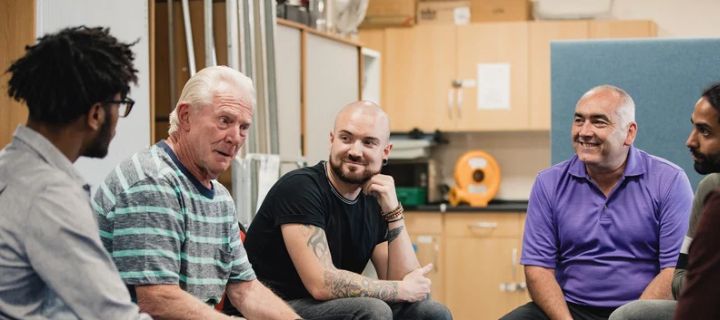
That is the thinking behind NYC HJN. As we described in a 2024 FPHNYC blog post, NYC HJN pairs people returning from incarceration with community health workers (CHWs) who have lived experience of the criminal legal system and can connect them to primary care, mental health care, housing, and employment.
An evaluation report of NYC HJN by the NYU-CUNY Prevention Research Center points to a key strength of the model: the relationship between the clients and the CHWs. Each client is assigned a CHW who generally reaches out at least once a week, and the evaluators found that CHWs averaged more than 20 contacts with each client over the course of the program. CHWs made service referrals for about 90% of clients and supported follow-through, such as scheduling appointments for health and career services.
“By simultaneously addressing health and social needs and relating to persons with criminal legal involvement using a trauma-informed approach, NYC HJN and public health programs like it have the potential to play a critical role in supporting successful community re-integration of people with prior criminal legal involvement.”
From the NYU-CUNY Prevention Research Center
NYC Health Justice Network Recidivism Evaluation Study,
NYC HJN also addresses the connection between affordability and health by helping remove some of the financial and practical barriers people can face when returning from incarceration. The Health Department connects New Yorkers to resources that support their health and well-being, and NYC HJN does that by helping clients with health insurance, food security, and vital documents. The program also provides clothing, hygiene items, subway cards, and cell phones with 90 days of service, which can reduce everyday costs and, for cell phones, help clients seeking employment stay connected.
Since its 2019 launch, NYC HJN has shown the value of pairing trusted, peer-based support with connections to health care and social services. That track record has helped attract new investment and expand the program’s reach. A $600,000 grant from the Mother Cabrini Health Foundation, together with funding from the New York State Office of Mental Health, supports four Community Health Worker Supervisors and 16 Community Health Worker Peer Navigators. The program is now open to New Yorkers 18 and older who have been released from prison or jail within the last three years, as well as any individual with an open court case.
FPHNYC is working with the Health Department to expand the agency’s billing infrastructure to seek reimbursement for CHW services under New York’s Medicaid Community Health Worker Benefit. With sustainable funding, NYC HJN can continue building on what sits at the heart of the program: trusted relationships that help New Yorkers return to their communities and connect with the care, resources, and support they need to move forward.
Frequently Asked Questions
Who can participate? New Yorkers age 18 and older who were released from prison or jail within the last three years, as well as anyone with an open court case.
How closely do clients work with community health workers? Each client is assigned a worker who generally contacts them at least once a week. About 90% of clients received service referrals.
For more information, contact NYCHJN@health.nyc.gov.